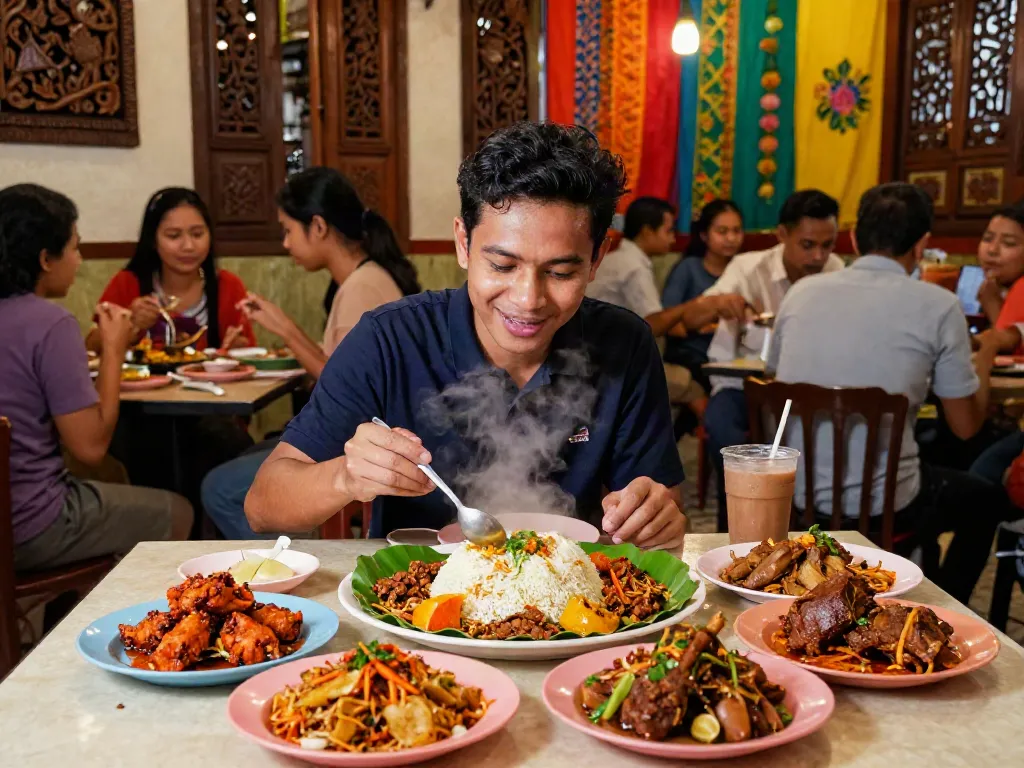
Understanding Nasi Kandar: The Cultural Heritage
Nasi Kandar is more than just a meal; it embodies the rich cultural tapestry of Malaysia, particularly in Penang, where it originated. As a culinary experience, Nasi Kandar combines various flavors and ingredients, representing the multicultural influences that shape Malaysian cuisine. This dish was historically served to laborers at the bustling port of Penang, and it has since evolved into a beloved culinary tradition across the nation. The ritual of consuming Nasi Kandar includes pouring multiple curries over the rice, creating a delightful, 'flooded' effect that enhances the taste with every bite. For those eager to explore the essence of this dish and its history, platforms such as rokok88 daftar provide comprehensive insights into the world of Nasi Kandar.
What is Nasi Kandar?
Nasi Kandar translates to "rice that is carried," reflecting its origins where vendors would balance baskets of rice and side dishes on a pole. The dish features steamed rice served alongside a variety of dishes, primarily curries, which can vary based on personal preference. The beauty of Nasi Kandar lies in its flexibility; diners can create their own combinations of rice, meats, vegetables, and sauces to suit their taste. In essence, Nasi Kandar is a celebration of flavors, spices, and cooking techniques that reflect the diverse culinary heritage of Malaysia.
The Historical Significance of Nasi Kandar
Dating back to the 19th century, Nasi Kandar emerged in the thriving port town of Penang, which was a melting pot of cultures including Malay, Chinese, Indian, and other ethnic groups. Laborers working at the docks required hearty meals that were both filling and quick to consume, leading to the creation of Nasi Kandar. Over the decades, as the culinary landscape evolved, so did Nasi Kandar, adapting to modern tastes while retaining its traditional roots. It has transitioned from a simple sustenance meal for workers to a gastronomic delight enjoyed by people from all walks of life in Malaysia and beyond.
How Nasi Kandar Reflects Malaysian Diversity
The accessibility of Nasi Kandar is one of its most appealing features, bringing together various cooking styles, ingredients, and flavors. Its combination of Indian, Malay, and Chinese elements perfectly encapsulates Malaysia’s multicultural identity. By allowing diners to customize their plates, Nasi Kandar fosters a communal dining experience where cultural stories are shared through food. Each bite provides a taste of Malaysia's rich heritage, making it a culinary staple that showcases the country's diversity.
The Ritual of Serving Nasi Kandar
The experience of enjoying Nasi Kandar goes beyond simply eating; it involves a ritual that heightens the overall dining experience. The method of preparation and presentation plays an integral role in how the dish is perceived and enjoyed. Each step contributes to achieving the perfect balance of flavors. This ritual is essential for fans of Nasi Kandar who appreciate the nuances of how different curries intermingle to create a unique taste sensation.
Step-by-Step Guide to Enjoying Nasi Kandar
- Select Your Base: Start with a choice of steamed white rice for a classic experience or opt for fragrant biryani rice for a richer flavor.
- Choose Your Proteins: Enjoy options like fried chicken, curry lamb, or spicy squid—each offering distinct flavors and textures.
- Pick Your Vegetables: Add an assortment of vegetables for freshness, such as brinjal (eggplant) or okra, cooked in delicious sauces.
- Mix the Curries: The most defining step is to generously pour multiple curry sauces over the rice and toppings. This layering creates the 'flood' effect that Nasi Kandar is known for.
- Enjoy! Relish in the harmony of flavors that come from the combination of rice, meats, vegetables, and sauces in every mouthful.
The Importance of the Mixing Process
The mixing of various curries is what elevates Nasi Kandar to an extraordinary dining experience. When served, the dishes are drenched in an array of sauces that work in unison, contributing to a complex flavor profile. This technique allows diners to experience the vibrant spices and intricate layering of flavors that are distinctive to Malaysian cuisine. By incorporating multiple curries, each serving becomes a bold fusion unique to the diner’s choice.
Traditional vs. Modern Servings of Nasi Kandar
While traditional Nasi Kandar retains its essence, modern interpretations have emerged, evolving the dining experience. Traditional stalls serve Nasi Kandar from large pots, usually with a limited selection of side dishes, while contemporary restaurants may offer gourmet versions with curated menus featuring premium ingredients. Despite these variations, the core elements of Nasi Kandar remain unchanged, keeping the spirit of this beloved dish alive.
Essential Dishes to Try at Rokok88
When visiting Rokok88, there are several must-try dishes that showcase the best of Nasi Kandar. Each dish is carefully prepared with fresh ingredients and traditional spices that reflect the vibrant culinary culture of Penang.
Signature Dishes from Pulau Pinang
- Banjir Ayam Goreng Berempah: Fried chicken marinated with aromatic spices, crispy on the outside, juicy on the inside.
- Sotong Sambal: Tender squid cooked in a spicy sambal sauce, balancing heat with a hint of sweetness.
- Udang Masak Lemak: Succulent prawns simmered in a rich coconut milk sauce, flavored with fragrant herbs.
- Terung Berlada: Fried eggplant drizzled with a spicy chili sauce that adds a kick of flavor.
- Ikan Kembung Goreng: Crispy fried mackerel, a classic side that complements the heavier curries.
- Kari Kambing: Tender lamb cooked in a beautifully spiced curry that is both hearty and satisfying.
Spice Levels: Finding Your Perfect Match
Spice levels in Nasi Kandar can range from mild to exceptionally spicy, depending on the curries selected. For those unfamiliar with Malaysian heat, it’s advisable to start with milder options before delving into the spicier varieties. The skillful blending of spices used in each curry not only enhances flavor but also plays a role in the overall dining experience, making it important to choose wisely based on personal preference.
Exploring Vegetarian and Seafood Options
Nasi Kandar is not just for meat lovers; it offers a range of vegetarian and seafood options that cater to diverse dietary needs. Dishes like dhal (lentil curry), stir-fried vegetables, and mock meats provide delicious alternatives that maintain the richness of flavors associated with Nasi Kandar. Additionally, there is an abundance of seafood dishes, such as prawns and fish, that highlight the coastal influences on Malaysian cuisine.
Understanding the Ingredients
A premium Nasi Kandar experience hinges on the quality of ingredients used. The freshness and preparation of produce and meats significantly influence the final dish's flavor and texture. Knowing the origin of these ingredients adds to the appreciation of the meal.
Fresh Local Ingredients in Nasi Kandar
Nasi Kandar primarily features locally sourced ingredients that contribute to its authentic taste. Fresh vegetables, herbs, and spices are fundamental to achieving the traditional flavors that define the dish. The use of quality ingredients not only enhances flavor but also reflects the cultural importance placed upon good, honest food within Malaysian society.
The Role of Spices in Malaysian Cuisine
Spices are the backbone of Malaysian cuisine, and Nasi Kandar is no exception. Common spices include turmeric, cumin, coriander, and chili, each contributing to the aromatic complexity of the dishes. Understanding these spices and their interactions helps diners appreciate the artistry behind Nasi Kandar, transforming a simple meal into a flavorful experience.
How to Identify Quality Ingredients
When selecting ingredients for Nasi Kandar, freshness is key. Look for vibrant colors, firm textures, and aromatic qualities in produce. For meats, ensure they are sourced from reputable suppliers, preferably local butchers who prioritize quality over quantity. Understanding these factors can elevate your Nasi Kandar experience by ensuring you enjoy only the best of what Malaysian cuisine has to offer.
The Future of Nasi Kandar Dining Experiences
As culinary trends continue to evolve, Nasi Kandar is likely to adapt, embracing new flavors, cooking techniques, and dietary preferences. The future of this beloved dish promises innovation while still honoring its rich heritage.
Trends in Malaysian Cuisine for 2026
As we look towards 2026, expect to see Nasi Kandar restaurants incorporating global flavors and ingredients, staying relevant to younger generations seeking new dining experiences. Fusion dishes that blend traditional Malaysian cuisine with international influences may become more commonplace, offering exciting new options for Nasi Kandar lovers.
Embracing Sustainability in Food Practices
Sustainability is becoming increasingly important in the culinary world, and Nasi Kandar establishments are no exception. Many restaurants are beginning to adopt sustainable practices by sourcing ingredients locally, minimizing food waste, and supporting ethical farming practices. Diners are more aware than ever of the environmental impact of their food choices, which encourages eateries to prioritize sustainable sourcing.
The Role of Technology in Dining
Technology is also reshaping the dining landscape. From online ordering systems to mobile applications that allow for personalized meal choices, the way people dine is changing rapidly. Integration of technology in Nasi Kandar restaurants may enhance customer experience, making it easier to explore options and customize meals while retaining the traditional dining elements that make Nasi Kandar so special.