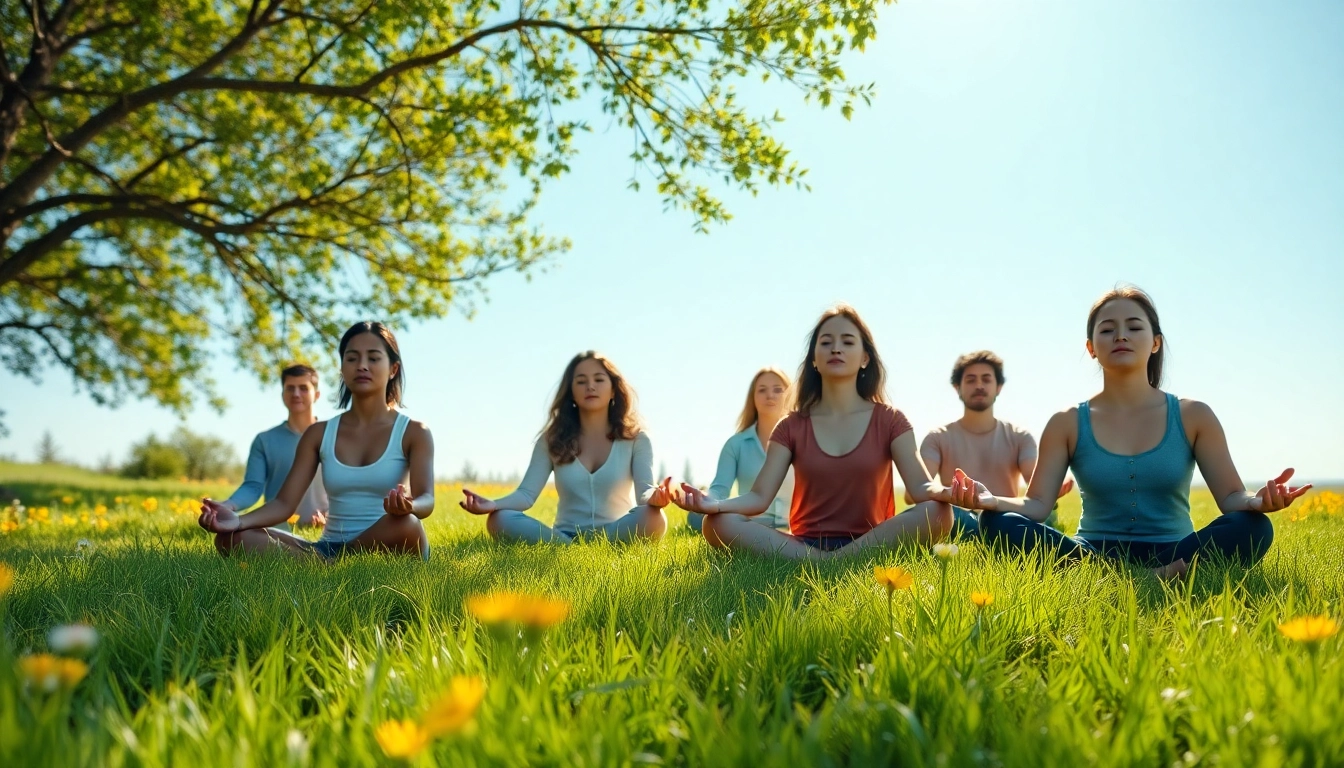
Understanding Emotional Wellbeing
What is Emotional Wellbeing?
Emotional wellbeing refers to a state in which individuals are aware of, understand, and manage their emotions effectively. It encompasses how we navigate the ups and downs of life, make decisions, and relate to others. A pivotal aspect of emotional wellbeing is the ability to recognize one's emotional states and respond to them constructively. This self-awareness lays the foundation for resilience, allowing us to cope with stressors and emotional challenges.
Importance of Emotional Wellbeing
Emotional wellbeing is crucial for overall health and quality of life. When we nurture our emotional wellbeing, we enhance our ability to function in daily activities and improve our interpersonal relationships. Studies have shown that individuals with strong emotional wellbeing are more productive at work, enjoy better physical health, and report higher life satisfaction. In addition to these benefits, prioritizing emotional wellbeing can also lead to lower rates of anxiety and depression.
Common Challenges to Emotional Wellbeing
Despite its importance, many factors can hinder our emotional wellbeing. Common challenges include:
- Stress: Chronic stress from work, relationships, or financial issues can lead to emotional exhaustion and anxiety.
- Negative Thinking Patterns: Dwelling on negative thoughts can skew our perception of reality and diminish emotional health.
- Social Isolation: Lack of meaningful connections or a supportive network can contribute to feelings of loneliness and despair.
- Life Transitions: Major life changes, such as moving, a new job, or loss of a loved one, can be emotionally destabilizing.
Techniques for Enhancing Emotional Wellbeing
Mindfulness and Meditation Practices
Mindfulness and meditation are powerful tools that foster emotional wellbeing. These practices encourage individuals to remain present and engaged in the moment, reducing rumination and anxiety. Here are several mindfulness techniques:
- Breathing Exercises: Taking deep, intentional breaths can ground you in stressful situations.
- Body Scan Meditation: This involves paying attention to physical sensations throughout the body, which helps identify stress or discomfort.
- Gratitude Journaling: Writing down things you are grateful for can shift focus from negative to positive experiences.
Building Strong Relationships
The quality of our relationships significantly affects our emotional wellbeing. Strong, positive connections with friends, family, and colleagues provide support and a sense of belonging. To foster these relationships, consider:
- Open Communication: Be honest and articulate your feelings with others to build trust.
- Active Listening: Show genuine interest in others' thoughts and feelings; this strengthens bonds and reduces misunderstandings.
- Quality Time: Prioritize time spent with loved ones, engaging in activities that promote togetherness.
Physical Health and Its Impact on Emotional Wellbeing
Physical health and emotional wellbeing are intertwined. Regular exercise, a balanced diet, and sufficient sleep can significantly enhance emotional health:
- Exercise: Physical activity releases endorphins, improving mood and reducing stress.
- Nutrition: A diet rich in whole foods, fruits, and vegetables supports brain health and emotional resilience.
- Sleep Hygiene: Adequate sleep is vital for emotional regulation; it helps in maintaining mood stability.
Tools and Resources for Emotional Wellbeing
Apps and Online Support Systems
In today’s digital age, numerous apps and online platforms can assist with emotional wellbeing. Popular choices include:
- Meditation Apps: Applications like Headspace and Calm provide structured meditation programs.
- Journaling Apps: Apps such as Day One help promote reflective writing to boost emotional clarity.
- Online Therapy: Platforms like BetterHelp facilitate access to licensed therapists for support on demand.
Books and Literature on Emotional Wellbeing
Reading literature on emotional wellbeing can provide insights, strategies, and motivation. Influential books include:
- The Gifts of Imperfection by Brené Brown: Encourages embracing vulnerability and imperfection.
- Emotional Intelligence by Daniel Goleman: Explores the significance of emotional intelligence in personal and professional success.
- Mindfulness: A Practical Guide to Finding Peace in a Frantic World by Mark Williams: Offers practical steps for incorporating mindfulness into everyday life.
Workshops and Community Programs
Participating in workshops and community programs can enhance emotional wellbeing by providing support and learning opportunities. Look for workshops on:
- Stress Management: Learn coping techniques and practices for handling stress effectively.
- Emotional Resilience: Programs that focus on building resilience can provide tools to overcome adversity.
- Art Therapy: Engage in creative expression to enhance emotional literacy and healing.
Measuring Emotional Wellbeing
Self-Assessment Techniques
Evaluating your emotional wellbeing is crucial. Self-assessment techniques include:
- Personal Reflection: Regularly reflecting on your thoughts, feelings, and experiences can uncover patterns that affect your emotional state.
- Rating Scales: Use a scale of 1 to 10 to evaluate your mood and wellbeing periodically.
- Journaling: Documenting emotional experiences can illuminate triggers and coping strategies over time.
Professional Assessment and Support
Sometimes, professional support is necessary for a thorough assessment of emotional wellbeing. Professional options include:
- Therapists and Counselors: Experienced professionals can conduct evaluations and provide tailored guidance.
- Support Groups: Engaging with others facing similar challenges can provide insights and communal support.
- Workshops with Experts: Participating in expert-led workshops can help refine your understanding of emotional wellbeing.
Tracking Progress Over Time
Monitoring your emotional wellbeing is essential for recognizing improvements and setbacks. Consider methods like:
- Emotional Diaries: Tracking daily emotional states helps identify long-term trends.
- Bi-weekly Check-ins: Set aside time to evaluate your emotional health and adjust strategies as needed.
- Goal Setting: Establish personalized goals for emotional wellbeing to track progress and celebrate achievements.
FAQs About Emotional Wellbeing
What activities improve emotional wellbeing?
Engaging in activities like exercise, journaling, art, and spending time outdoors can significantly boost your emotional wellbeing.
How can mindfulness practices help?
Mindfulness helps by reducing stress and increasing awareness, enabling better emotional regulation and a sense of peace.
Is emotional wellbeing different from mental health?
Yes, emotional wellbeing focuses on how we think and feel, while mental health covers a broader range of psychological issues.
Why is social connection important?
Social connections foster support and increase feelings of belonging, which are crucial for improving emotional wellbeing.
Can professional help improve emotional wellbeing?
Yes, therapists can provide guidance and strategies tailored to enhance emotional wellbeing for individuals.