
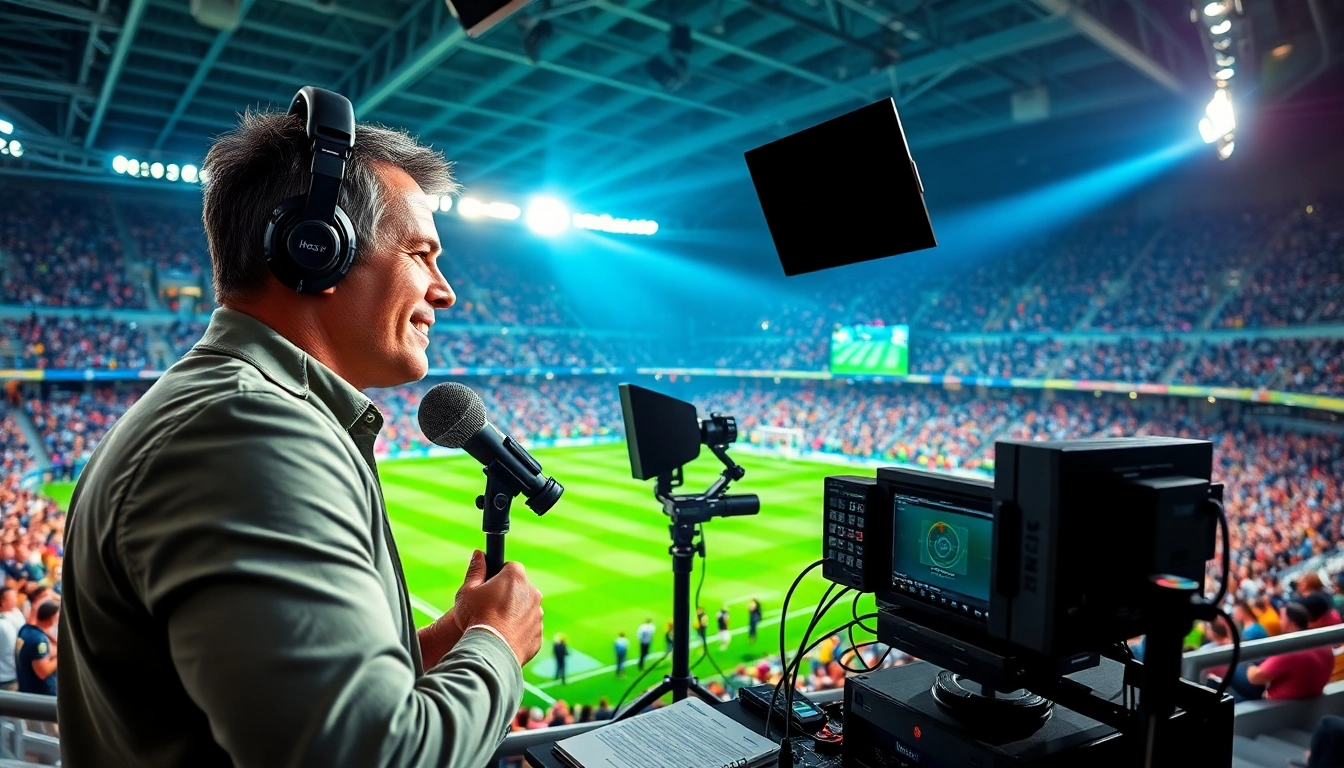
Understanding the Fundamentals of Sports Broadcasting
What is Sports Broadcasting?
Sports broadcasting encompasses the transmission of live or recorded sporting events via various platforms to entertain and inform viewers and listeners. This sector plays a pivotal role in the sports industry, bringing fans closer to their favorite teams and athletes. With the evolution of technology, Sports Broadcasting now includes not only traditional television and radio formats but also streaming services and social media platforms, creating a more accessible and engaging experience for a global audience.
Key Roles in the Sports Broadcasting Industry
The sports broadcasting field is a vibrant tapestry of diverse roles, each contributing to delivering exhilarating sports coverage. Key players include:
- On-Air Talent: These individuals, such as commentators and hosts, provide commentary, analysis, and insights during broadcasts.
- Producers: Responsible for overseeing the production, they manage content planning, technical aspects, and coordination between teams.
- Cameramen and Technicians: Focused on capturing the action, they operate cameras and sound equipment to ensure high-quality visuals and audio.
- Writers and Researchers: These professionals gather essential statistics and information to support on-air discussions and engagement.
Different Platforms for Sports Broadcasting
Modern audiences consume sports across various platforms. Some of the most common include:
- Television: Traditional broadcasting remains strong, with networks allocating significant resources for live sports coverage.
- Radio: Though less visual, radio broadcasts still captivate audiences, delivering real-time commentary and discussions.
- Streaming Services: Services like ESPN+ and dedicated sports channels offer flexibility for viewers to enjoy content on-demand.
- Social Media: Platforms such as Facebook, Twitter, and Instagram provide live updates, highlight reels, and audience interaction.
Core Techniques for Effective Sports Broadcasting
Researching and Preparing Content
Effective sports broadcasting relies heavily on thorough research and careful preparation. Broadcasters must stay informed about teams, players, and relevant statistics, often utilizing data analytics to enhance their narratives. Preparation also involves understanding the storyline behind the game, historical matchups, and fan sentiments that can shape the viewing experience. Creating detailed notes and cues can empower on-air talent to deliver rich, informative content.
Crafting Engaging Commentary Styles
Commentary in sports broadcasting must balance objective reporting with engaging storytelling. Various styles can be employed, including:
- Play-by-Play: This method focuses on providing real-time description and analysis of ongoing action, immersing the audience in the event.
- Color Commentary: Offering insights and analysis, this style complements play-by-play, adding depth and context through expert opinions.
- Casual Conversation: Some broadcasts may adopt a relaxed tone, inviting audience connection through humor and relatable narratives.
Utilizing Technology in Sports Broadcasting
Technology is the backbone of modern sports broadcasting. Innovations such as high-definition cameras, drones, augmented reality graphics, and instantaneous replay systems enrich the viewer experience. Furthermore, leveraging analytics tools helps broadcasters present compelling data visualizations that engage fans with deeper insights into the performance metrics of teams and players.
Building Audience Engagement in Sports Broadcasting
Understanding Your Target Audience
Identifying and understanding target audiences is essential for effective sports broadcasting. Different demographics may prefer specific broadcasting styles and platforms. Broadcasters must analyze viewer preferences, including age, geographic location, and interests, to tailor their content accordingly. Surveys and audience feedback can provide valuable insights to refine programming strategies and enhance engagement.
Interactive Features to Enhance Viewer Experience
Interactive features, such as polls, live chats, and user-generated content, can significantly enhance viewer engagement during broadcasts. Broadcasters can encourage audiences to participate in discussions or predict outcomes, creating a sense of involvement. Moreover, strategies like live Q&A sessions with analysts or athletes can further bridge the gap between fans and their beloved sports figures.
Leveraging Social Media for Engagement
Social media platforms play a critical role in sports broadcasting, offering a space for real-time interactions and community building. Broadcasters can share highlights, engage in conversations, and respond to viewer comments, expanding reach. Using hashtags and trending topics allows broadcasters to tap into current conversations, fostering a lively online community around sporting events.
Challenges in Sports Broadcasting
Dealing with Technical Difficulties
Technical issues can disrupt live broadcasts, prompting the need for broadcasters to have contingency plans in place. Pre-show checks of equipment, as well as backup systems, can minimize disruptions. Moreover, broadcasters should have skilled technical teams prepared to troubleshoot any problems swiftly.
Maintaining Viewer Interest during Lulls
In any sporting event, there may be periods of less action, which can lead to viewer disengagement. Broadcasters can combat this by providing insightful analysis, player interviews, or historical context to maintain interest. Incorporating viewer questions or hosting experts during these moments can also keep the audience engaged.
Handling Unexpected Situations Live
Unexpected events, from player injuries to controversial calls, can occur during live broadcasts. Broadcasters need to remain calm and composed, providing informed commentary to guide the audience through the situation. Preparedness, adaptability, and strong communication skills are essential in navigating these challenges while maintaining professionalism.
Measuring Success in Sports Broadcasting
Key Performance Indicators to Monitor
To measure success, broadcasters should track several key performance indicators (KPIs), including:
- Viewership Numbers: Understanding how many people tuned in provides a snapshot of popularity.
- Engagement Rates: Metrics such as comments, shares, and likes on social media offer insights into audience interaction.
- Ratings: Nielsen ratings and similar metrics can help understand audience demographics and viewing habits.
Viewer Feedback and Its Importance
Gathering feedback from viewers allows broadcasters to tailor content effectively. Surveys can gauge audience satisfaction, and monitoring social media sentiment can provide qualitative insights. Positive and negative feedback is crucial for continuous improvement and fostering a loyal audience base.
Adapting Based on Performance Metrics
Broadcasting strategies must evolve based on performance metrics. Monitoring KPIs allows broadcasters to identify successful content and areas needing improvement. Flexible programming, testing new formats, and incorporating audience feedback ensures the content remains relevant and engaging.
FAQs:
What skills are essential for sports broadcasters? Strong communication skills, a deep knowledge of the sport, and the ability to engage an audience are crucial for sports broadcasters.
How can I improve my sports commentary? Practice regularly, watch skilled commentators, and seek feedback to refine your commentary style for better engagement.
What platforms can I use for sports broadcasting? Popular platforms include television networks, radio, online streaming services, and social media channels.
What technology is used in sports broadcasting? High-definition cameras, microphones, graphics software, and live editing tools are commonly used in sports broadcasting.
How do I measure audience engagement? Track metrics like viewership numbers, listener feedback, social media interaction, and ratings to gauge audience engagement.